
Chasing First Light in Cornwall’s Hidden Coves
Finding Seclusion Before the Sun Arrives
Smart Scouting with Maps and Local Clues
Blend digital tools with lived knowledge. Use Ordnance Survey layers to trace permissive paths, then confirm with local signage and recent trip reports. A discreet café chat often reveals which steps washed out last winter or which cove holds firm sand at low tide, turning guesswork into grounded, respectful exploration.
Timing the Approach for Tides and Twilight
Anchor your alarm to civil and nautical twilight, not only sunrise. Pair tide tables with swell forecasts to avoid being cliffed-out by a surging set. Low tide can unlock reflective sand and foreground pools, while a rising tide might compress compositions beautifully. Build in buffers for parking, a careful descent, and unrushed, observant breathing.
Anecdote: The Morning Kynance Opened Up
I arrived beneath the stars, hearing only the hush of wind across heather. The tide was falling faster than forecast, peeling back slick rock and serpentine veins. When the first tangerine light touched the outcrops, a single hiker waved from the headland. We photographed in companionable silence, pockets of solitude shared without a word.
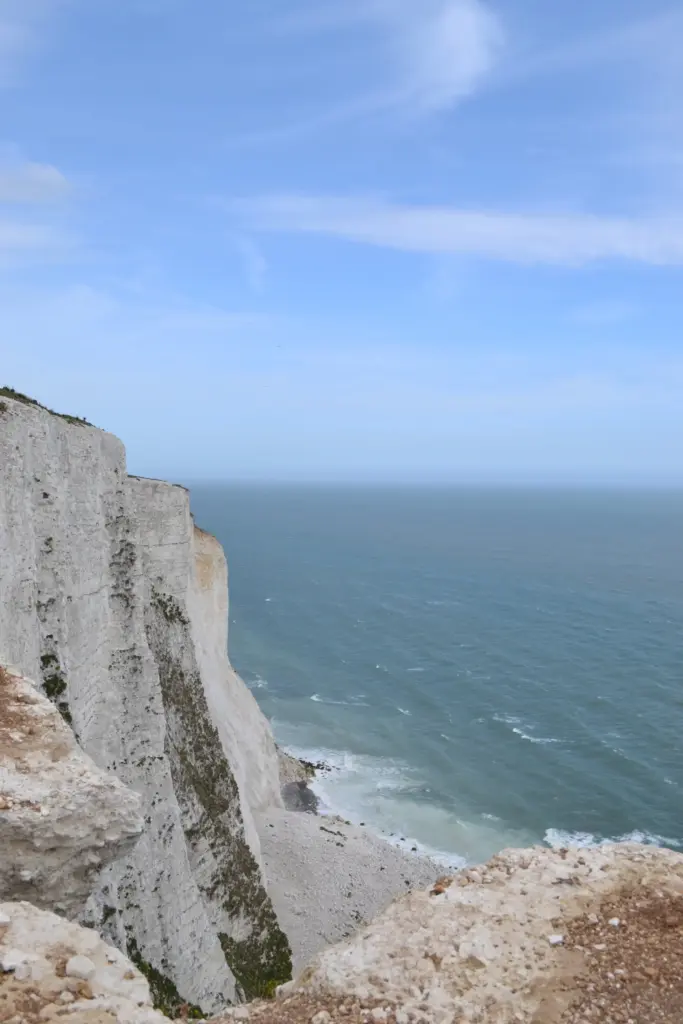
Reading Light, Tide, and Weather
Framing Cliffs, Arches, and Rippled Sand

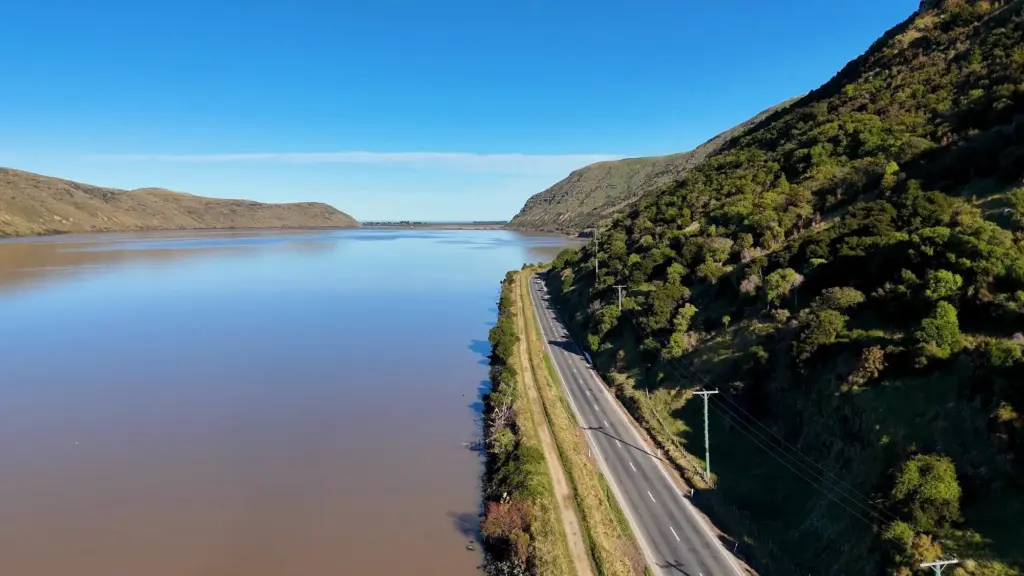
Lightweight Gear, Heavy Results
Safe Footsteps and Coastal Care
From Raw Frame to Remembered Feeling
Maintaining Natural Color While Guiding the Eye
Let the warm edge of dawn live, but resist neon saturation. Nudge hue and luminance where the story needs emphasis—perhaps a coral seam on the horizon or the emerald sheen of serpentine rock. Subtle dodging shapes attention, while preserved neutrals keep the overall credibility that earns trust from discerning coastal eyes.
Texture, Clarity, and the Breath of Sea Mist
Clarity and texture can easily overcook delicate gradients, especially in mist. Apply globally with restraint, then add small, local touches to barnacles, pebbles, or foam lace. A light dehaze pulled only from the midtones can reveal form without crushing softness, preserving that tender, cinematic drift you witnessed between sets.
Sequencing a Dawn Story for Your Audience
Arrange images like steps along the path: stars yielding to cobalt, first blush on cliffs, reflective sand singing, and a final, quiet wide shot. Add one detailed close-up as a heartbeat. Invite readers to share their own sunrise rituals or hidden bays in the comments, and subscribe for fresh coastal field notes soon.
All Rights Reserved.